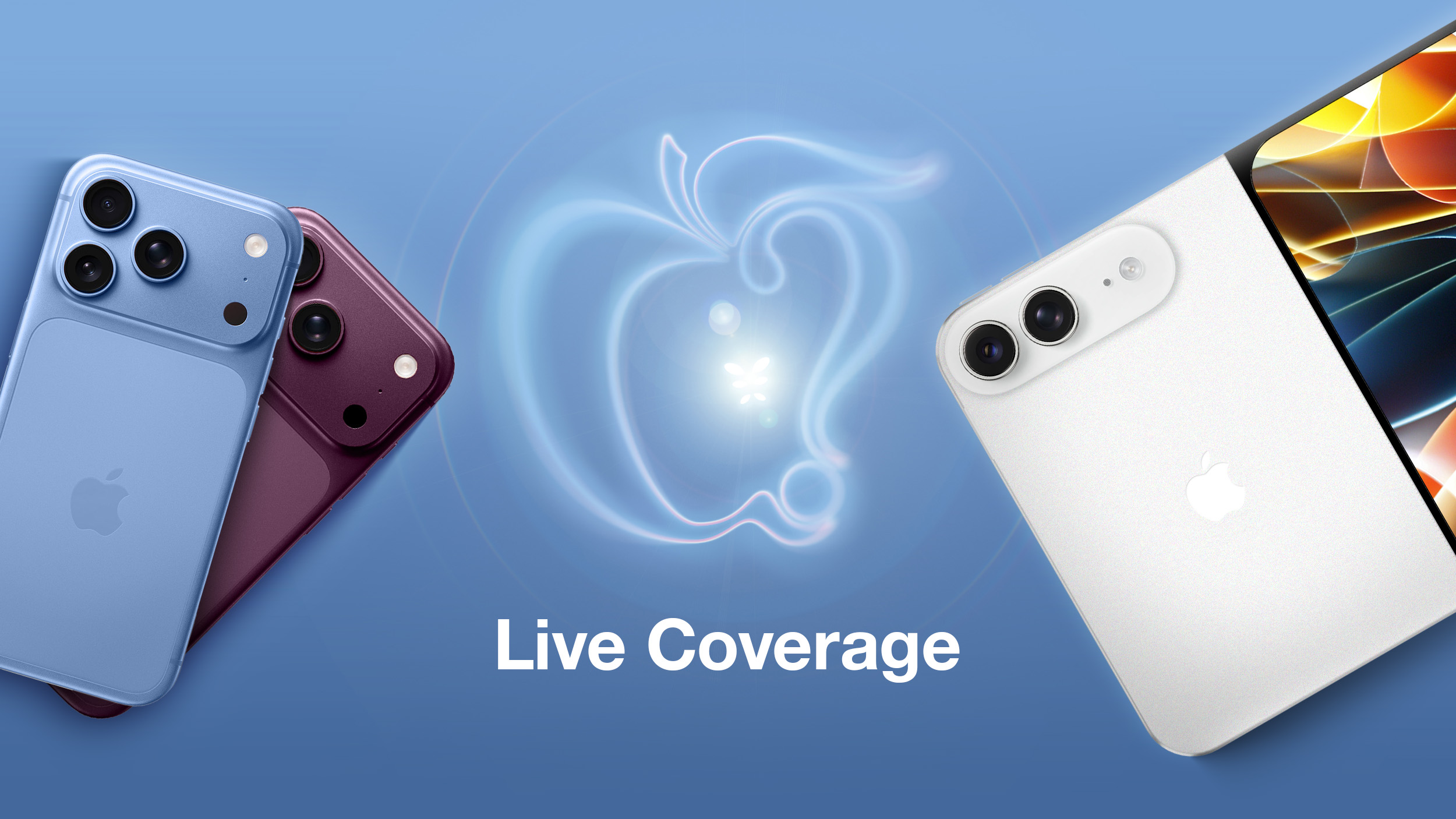
The landscape of modern desktop and mobile computing is defined by a fierce clash of design philosophies. On one side stands Apple Silicon's tightly unified, non-upgradeable architecture; on the other stands the modular, user-serviceable PC ecosystem powered by OpenCore and open-source operating systems. In this comprehensive technical analysis and architectural masterclass, we explore Apple Event Live Blog: iPhone Duo, iPhone 18 Pro, and More Expected: Architectural Breakdown & Technical Engineering Guide, providing deep hardware breakdowns, performance benchmarks, and modular Hackintosh alternatives for creators and developers.
1. Silicon Architecture & Unified Memory Subsystem Deep Dive
Apple's transition to ARM-based custom silicon has delivered remarkable efficiency gains by consolidating traditional motherboard subsystems onto a single monolithic package. Key engineering elements include:
- Monolithic Unified Memory Architecture (UMA): High-bandwidth LPDDR5X memory buses deliver bandwidth exceeding 400 GB/s to 800+ GB/s directly between CPU, GPU, and Neural Engine cores, eliminating PCIe bottleneck copying.
- Dedicated Hardware Media Engines: Specialized silicon decoders and encoders handle multiple streams of 8K ProRes 422, ProRes RAW, HEVC, and AV1 video concurrently without burdening general-purpose CPU threads.
- Hardware Ray Tracing & Mesh Shading: Modern GPU compute clusters incorporate dedicated ray-tracing acceleration blocks to accelerate photorealistic 3D rendering and ray-traced lighting pipelines in Metal-optimized engines.
2. The Walled Garden Reality: Soldered Hardware & Non-Repairability
Despite impressive performance-per-watt metrics, Apple's commercial strategy forces significant compromises upon professional users:
- Soldered RAM & SSD NAND Chips: Memory and internal storage cannot be upgraded post-purchase. Upgrading from base configurations incurs steep commercial markups that exceed raw component market prices by several hundred percent.
- Lack of Modular PCIe GPU Support: Apple Silicon hardware lacks support for discrete desktop graphics cards (such as AMD Radeon RX or NVIDIA RTX GPUs), restricting users to integrated graphics configurations.
- Hardware Serialization & Component Pairing: Proprietary firmware pairing restricts third-party repair shops from replacing displays, power supplies, or logic boards without proprietary calibration tools.
3. Building a High-Performance Modular Alternative with OpenCore
For professionals who require unrestricted modularity, expandable storage, and massive GPU compute power, building a custom PC running macOS with OpenCore remains an unbeatable solution:
- Component Freedom: Pair 14th/15th Gen Intel Core or AMD Ryzen 7000/9000 processors with high-performance AMD Radeon RX 6800 XT / 6900 XT GPUs, PCIe 5.0 NVMe drives (7,500+ MB/s), and up to 192GB of DDR5 RAM.
- Dual-Boot Productivity: Maintain independent physical NVMe drives for macOS (for creative suites like Final Cut Pro and Logic Pro) and Linux/Windows (for CUDA deep learning training, AI research, and high-FPS gaming).
- OpenCore Legacy Patcher (OCLP): The open-source community continues to preserve mature Intel Mac hardware, providing native Metal graphics patches and kernel extensions that keep vintage machines fast and secure on the latest macOS releases.
4. Step-by-Step Diagnostic & Kernel Verification Commands
Validate your custom workstation's kernel driver health, power management, and graphics acceleration via Terminal:
# Verify loaded third-party kernel extensions
kextstat | grep -v com.apple

# Inspect active power management assertions and wake inhibitors
pmset -g assertions

# Inspect active graphics device tree and platform ID
ioreg -l | grep -i "AAPL,ig-platform-id"

# Check NVMe link speed and PCIe generation
system_profiler SPStorageDataType
Frequently Asked Questions
Q1: Can a custom PC Hackintosh match the stability of genuine Apple hardware?
Yes. When built with compatible, native hardware components and clean ACPI tables, OpenCore workstations deliver rock-solid stability for mission-critical video rendering, software development, and audio production.
Q2: What is the Asahi Linux project and why is it important?
Asahi Linux is an independent open-source project reverse-engineering Apple Silicon hardware to provide a fully open, bloatware-free Linux distribution with native Vulkan graphics support on modern Mac hardware.
Q3: How does OpenCore Legacy Patcher (OCLP) extend Mac longevity?
OCLP injects legacy kernel extensions, graphics driver patches, and ACPI tables, allowing vintage Intel Macs (from 2008 through 2017) to run the latest macOS releases smoothly with full hardware acceleration.
Q4: How can I ensure fast boot times on a custom OpenCore workstation?
Keep your EFI minimal, disable unused drivers in config.plist, verify your SSD TRIM support, and clear stale NVRAM parameters regularly.
Post a Comment