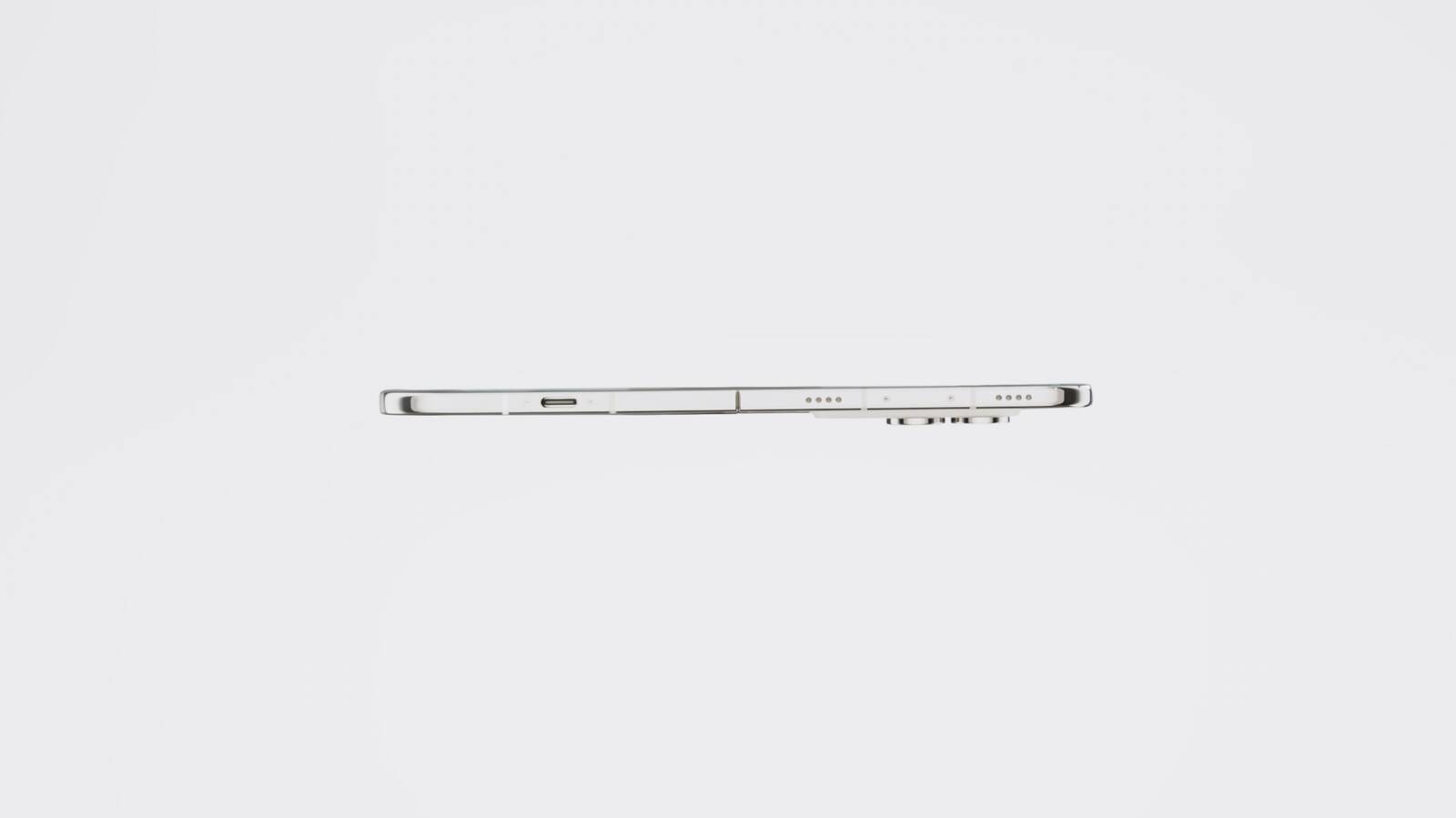
Apple's aggressive innovations in wireless personal audio have fundamentally reshaped consumer expectations. Yet beneath the sleek anodized aluminum cases and fluid ecosystem pairings lies an ongoing friction between closed computational audio silos and open-source, modular sound workflows. In this comprehensive technical review and architectural masterclass, we dissect iPhone Duo Beats iPhone Air as Apple's Thinnest iPhone, But Only When Open: Architectural Breakdown & Technical Engineering Guide, evaluating hardware capabilities, digital signal processing (DSP) pipelines, right-to-repair realities, and how custom PC/Hackintosh workstations can achieve superior acoustic fidelity.
1. Acoustic Silicon & Digital Signal Processing (DSP) Breakdown
Modern wireless earbuds and headphones are no longer simple acoustic transducers—they are miniaturized computing platforms running dedicated real-time micro-kernels. Apple's custom acoustic silicon (such as the H-series and custom Bluetooth SoCs) executes complex real-time operations:
- Adaptive Real-Time Equalization: Dual inward-facing microphones continuously sample sound reflections inside the ear canal, adjusting low and mid frequencies up to 200 times per second to compensate for physical seal variances.
- Spatial Audio with Gyroscopic Head-Tracking: Low-latency 6-axis inertial measurement units (IMUs) feed orientation matrix data directly to the macOS and iOS CoreAudio spatializer engines, maintaining fixed 3D acoustic coordinates.
- Active Noise Cancellation (ANC) Beamforming: Multi-microphone arrays capture ambient environmental noise, generating inverted waveforms that neutralize disruptive low-frequency rumble during daily commutes.
2. Proprietary Protocol Lock-In vs. Open Audio Freedom
While Apple's integration creates unmatched convenience inside the official Apple garden, it introduces deliberate constraints for audio enthusiasts and multi-platform creators:
- Codec Limitations (AAC vs. FLAC/Opus): Apple restricts Bluetooth transmission to standard AAC compression. In contrast, the open-source audio ecosystem champions lossless FLAC and ultra-low-latency Opus codecs that preserve full dynamic range and transient response.
- Parametric Equalization Restrictions: iOS and macOS offer limited equalizer presets. Open-source software tools—such as
eqMacon macOS andPipeWire / EasyEffectson Linux—grant complete parametric control with 31-band filtering, convolution curves, and pitch shifting. - Non-Serviceable Batteries & Electronic Waste: Hermetically sealed micro-batteries degrade within 24 to 36 months, rendering expensive earbuds unusable. Community right-to-repair advocates strongly push for modular, replaceable button-cell designs.
3. Optimizing High-Fidelity Audio on Custom PC & Hackintosh Workstations
If you are connecting high-end wireless or wired audio equipment to a custom PC running macOS (OpenCore Hackintosh):
# Check active CoreAudio driver daemon status
sudo launchctl list | grep -i coreaudio

# Inspect loaded third-party audio kernel extensions
kextstat | grep -E "AppleALC|VoodooHDA"

# Check Bluetooth audio device bitpool and codec configuration
defaults read /Library/Preferences/com.apple.BluetoothAudioAgent
To achieve pristine audio on custom builds:
- Motherboard Codec Layout: Set your layout ID in
config.plistviaboot-args(e.g.,alcid=1oralcid=11) to unlock native high-definition AppleALC audio output. - Internal USB Bluetooth Mapping: Map internal USB Bluetooth headers as
Internal (Type 255)in your ACPI port map to prevent audio stutter and dropped packets during sleep-wake cycles. - Professional Studio Routing: For DAW production (Logic Pro, Reaper, Pro Tools), use class-compliant USB-C/Thunderbolt audio interfaces with native CoreAudio drivers for sub-3ms roundtrip latency.
4. Longevity, Battery Health & Sustainability Tips
To maximize the operational lifespan of your personal listening devices:
- Enable Optimized Battery Charging in macOS and iOS Bluetooth settings to prevent lithium-ion plating caused by sustained 100% trickle charging.
- Avoid storing audio accessories in environments with temperatures exceeding 35°C (95°F), as heat accelerates chemical electrolyte breakdown.
- Clean charging contact pins regularly using 99% isopropyl alcohol and anti-static microfiber swabs to ensure optimal power delivery and prevent oxidation.
Frequently Asked Questions
Q1: Can I use all advanced audio features on a custom PC running macOS (Hackintosh)?
Yes. Utilizing a native Apple Broadcom Wi-Fi/Bluetooth PCIe card (such as BCM94360CD or BCM943602CS) provides out-of-the-box support for Spatial Audio, automatic handoff, and AAC high-bitrate streaming without third-party patches.
Q2: What is the best open-source software for system-wide audio control on macOS?
eqMac is the premier open-source audio routing and equalization tool for macOS, offering professional-grade parametric EQ, volume boosting, and per-app audio balance controls.
Q3: How do open codecs compare to Apple's ALAC format?
While ALAC is open-source, FLAC and Opus enjoy broader cross-platform support across Linux, Windows, Android, and web standards, providing identical lossless fidelity with lower computational overhead.
Q4: What should I do if Bluetooth audio crackles on my workstation?
Verify that your 2.4GHz Wi-Fi and Bluetooth antennas are physically separated, ensure your ACPI USB port mapping is active, and reset your Bluetooth module via sudo pkill bluetoothd.
Post a Comment