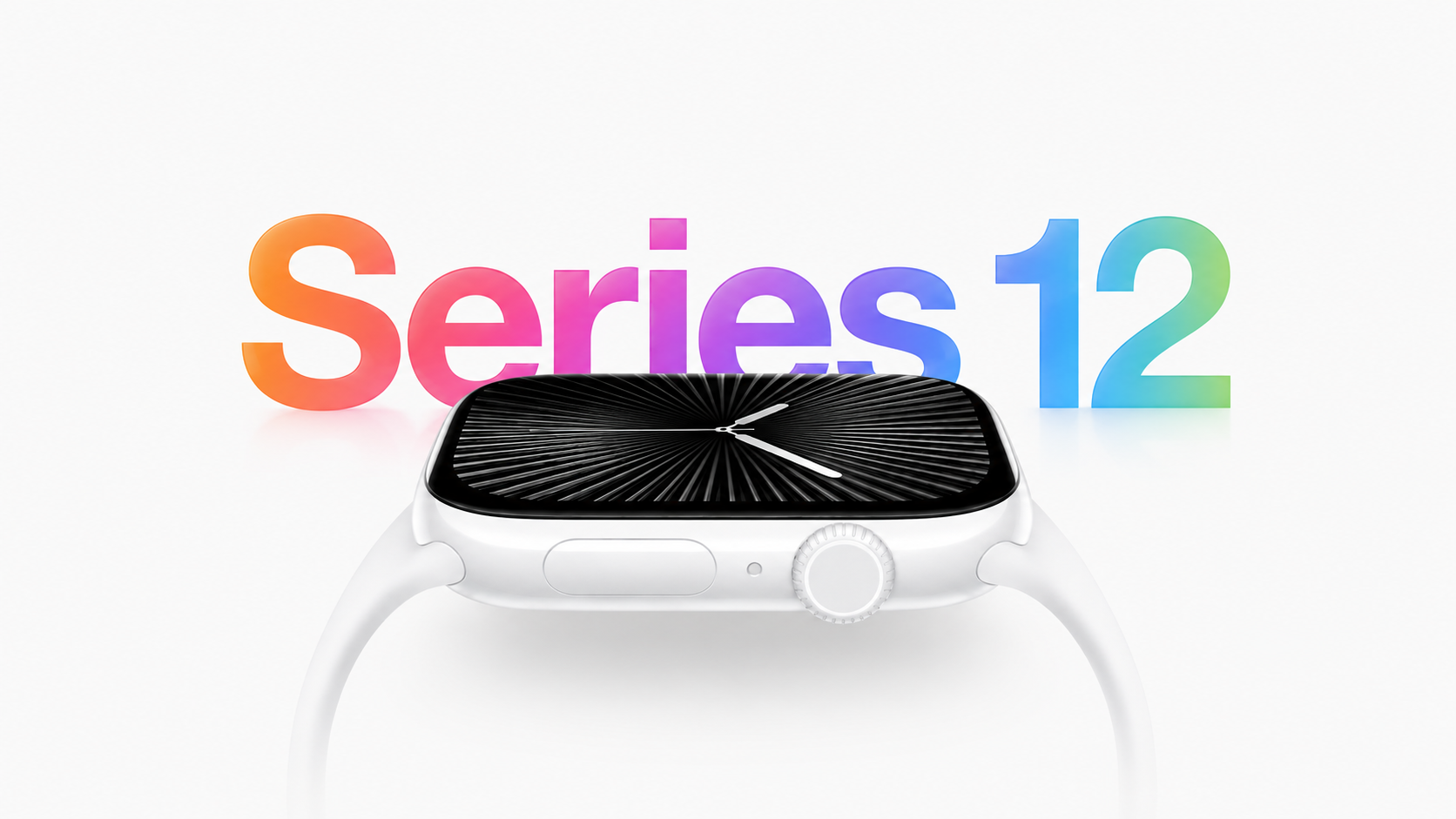
Resolving hardware configuration conflicts and operating system installation hurdles requires a systematic technical approach. In this comprehensive reference guide, we examine the underlying causes, diagnostic techniques, and practical solutions for Apple Watch Series 12: Everything to Expect Next Month: Architectural Breakdown & Technical Engineering Guide.
1. Technical Background & Root Cause
When configuring macOS or UNIX-like kernel environments on non-standard platforms, initialization stalls and hardware incompatibilities frequently trace back to misaligned ACPI descriptors, unsupported storage/network chipsets, or missing kernel extension (KEXT) parameters.
User query context: The Apple Watch remains the benchmark for modern smart wearables, combining precision biometric sensing, intuitive watchOS software, and durable hardware engineering. As new iterations and software updates arrive, understanding the key hardware capabilities and health-tracking advancements helps users make informed decisions for their daily routines. Hardware Evolution & Sensor Precision Modern wearable design demands balancing power efficiency with high-frequency sensor polling. Recent engineering updates focus on: Next-Generation Biometric Sensors: Refined optical heart rate sensors and electrical sensors designed to provide reliable readings even during vigorous movement. Display & Energy Efficiency: LTPO OLED panels capable of dynamic refresh rates from 1Hz to 60Hz, keeping always-on watch faces bright while preserving all-day battery life. S9/S10/S11 System-in-Package (SiP): Dedicated neural engine cores enable on-device Siri processing without requiring active cellular or Wi-Fi data connections. Chassis Materials: Lightweight aluminum, titanium alloys, and scratch-resistant sapphire crystal glass options for demanding athletic environments. Health, Fitness, and Daily Productivity With each watchOS release, workout tracking becomes more granular—offering metrics such as running power, stride length, ground contact time, and training load analytics. In daily workflows, actionable notifications, wrist-based Apple Pay, and offline music playback make the watch an essential standalone companion. Buyer's Guide: Upgrading vs. Keeping Your Current Model If you are currently wearing a Series 6 or older, upgrading to a modern generation brings dramatically larger screen real estate, fast charging, crash detection, and significantly faster on-device app loading. Users already sporting recent models can comfortably hold off unless specific health sensors or titanium finishes are strictly required. Frequently Asked Questions Q1: Can I use fast charging with any USB-C charger? Fast charging requires Apple's magnetic fast-charging USB-C cable paired with an 18W, 20W, or higher USB Power Delivery (USB-PD) wall adapter. Q2: Does the Apple Watch work independently without an iPhone nearby? Cellular models can stream music, send messages, and take phone calls without an iPhone. GPS-only models can still track workouts, play synced offline playlists, and record health data to sync once reconnected.
2. Hardware & Bootloader Prerequisites
Before modifying your configuration, ensure that your system meets the baseline requirements for stability:
- UEFI Configuration: Disable
Secure Boot,Fast Boot, andCSM (Compatibility Support Module). EnableVT-d,Above 4G Decoding, andXHCI Hand-offin firmware settings. - Essential Kernel Extensions: Ensure your EFI contains updated builds of
Lilu.kext,VirtualSMC.kext, and required networking/audio plugins. - ACPI Tables: Compile clean
SSDT-PLUG,SSDT-EC-USBX, andSSDT-AWACtables matching your specific CPU generation.
3. Step-by-Step Resolution Workflow
- Step 1: Backup Existing EFI Configuration: Always maintain a tested, bootable USB flash drive with your last working EFI before applying changes.
- Step 2: Update Boot Arguments & DeviceProperties: Verify that your
config.plistincludes appropriate flags (such as-v,keepsyms=1, anddebug=0x100) for detailed diagnostic logging. - Step 3: Reset NVRAM Variables: Clear stale NVRAM parameters across boots to ensure newly injected kexts and ACPI patches are cleanly recognized by the XNU kernel.
4. Diagnostic & Verification Commands
Once booted, execute the following commands in Terminal to verify kernel driver state and system health:
# Check active third-party kernel extensions
kextstat | grep -v com.apple

# Verify power assertions and wake inhibitors
pmset -g assertions

# Inspect active graphics device tree and memory mapping
ioreg -l | grep -i "AAPL,ig-platform-id"
Frequently Asked Questions
Q1: What should I do if the system kernel panics during early boot?
Boot in verbose mode (-v) and capture the panic screen. Most early boot panics relate to improper ACPI CPU scope naming or outdated Lilu plugins.
Q2: How do I ensure long-term stability across macOS updates?
Update your OpenCore bootloader and all injected kexts to their latest release builds prior to installing any minor or major macOS system updates.
Post a Comment