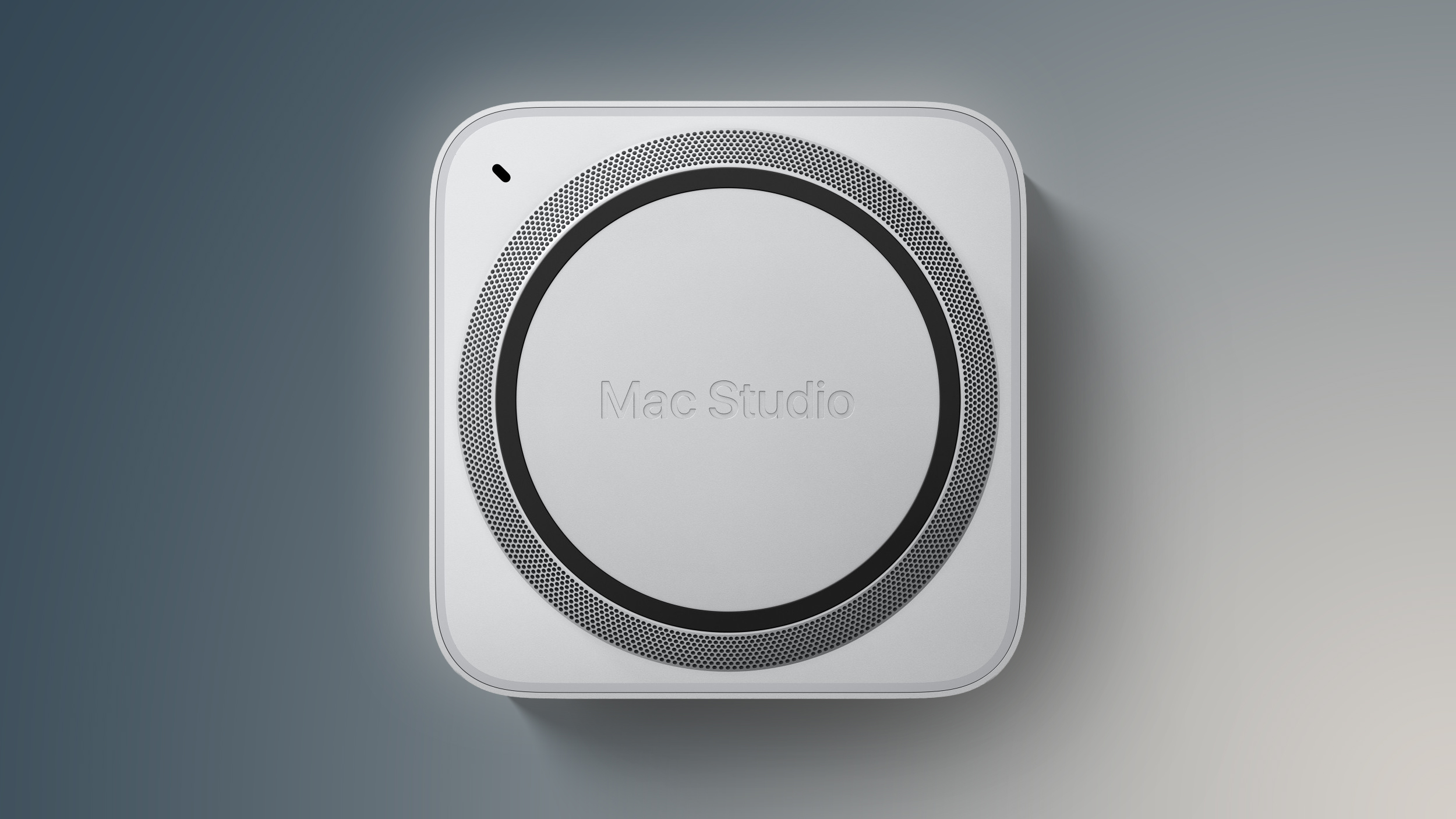
Apple's Mac workstation announcements generate major headlines, but for hardware enthusiasts, engineers, and open-source advocates, the real question is how they balance compute efficiency against upgradeability, open standards, and long-term repairability. Here is our architectural breakdown of Apple Seemingly Made a Mistake When Announcing the New Mac Studio: Architectural Breakdown & Technical Engineering Guide from an engineering and Hackintosh freedom perspective.
Silicon Performance vs. Soldered Hardware Lock-In
Apple Silicon unified memory architecture delivers impressive memory bandwidth and power efficiency, but it comes at the cost of total component lock-in:
- Soldered RAM & SSDs vs. Modular PC Architecture: Official Mac configurations charge excessive markups for memory and storage upgrades that are permanently soldered to the logic board. In contrast, custom PC and Hackintosh workstations allow users to install standard PCIe 4.0/5.0 NVMe drives and up to 128GB+ of modular DDR5 RAM at a fraction of the price.
- GPU Flexibility & External Acceleration: Modern Apple Silicon lacks modular PCIe GPU expansion and eGPU support. Custom workstations running OpenCore or Linux retain full support for high-performance AMD Radeon RX GPUs and dedicated compute accelerators.
- Open-Source Operating System Porting: Initiatives like
Asahi Linuxdemonstrate the power of reverse-engineering proprietary Apple Silicon to bring open, bloatware-free Linux distributions to Mac hardware. - Preserving Hardware Longevity with OCLP: When Apple drops official macOS support for older Intel Mac models, the community-driven
OpenCore Legacy Patcher (OCLP)steps in to provide native graphics patching, Metal acceleration, and security updates for years beyond official obsolescence.
Building a High-Performance Alternative with OpenCore
For creators seeking macOS workflows without soldered hardware compromises:
- Core Architecture: Pair modern Intel Core or AMD Ryzen processors with macOS-compatible motherboards (Z690/Z790/B550) and native AMD Navi graphics (RX 6600, RX 6800 XT, RX 6900 XT).
- Bootloader Deployment: Deploy a clean
OpenCoreEFI with modular ACPI patches (SSDT-PLUG,SSDT-EC-USBX) and essential kexts (Lilu,VirtualSMC,WhateverGreen). - Dual-Boot Freedom: Maintain independent NVMe drives for macOS (for creative apps like Final Cut Pro and Logic Pro) and Windows/Linux (for gaming, AI model training, and specialized CAD tools).
Frequently Asked Questions
Q1: Can a custom PC running macOS (Hackintosh) outperform entry-level Macs?
Yes. Custom workstations equipped with multi-core desktop CPUs and dedicated AMD Radeon GPUs deliver immense raw compute power for 4K/8K video rendering and 3D modeling, with full freedom to upgrade storage and RAM anytime.
Q2: How does OpenCore Legacy Patcher (OCLP) extend the life of older Macs?
OCLP injects legacy kernel extensions, graphics driver patches, and ACPI tables, allowing vintage Intel Macs (from 2008 through 2017) to run the latest macOS releases (Sonoma, Sequoia, and beyond) smoothly.
Post a Comment